Launching AI clothing creation for Meta avatars
I was senior design lead for Meta’s first generative AI tools for retexturing 3D avatar clothing. We built them for consumers first, then for Horizon creators. I co-led product strategy and user flows, and owned the model layer underneath, including how people prompted it. In 4 months, 460K people designed clothing with the consumer tool. The creator tool doubled Horizon’s monetization efficiency within the first month.
Overview
At a glance
- My role
- Senior design lead for both tools. I co-led product strategy and user flows and owned the underlying model layer, from suggested prompts to system prompts.
- Partners
- PMs, engineers, and product designers on strategy and user flows
- UX researchers on testing flows and model outputs
- Engineers on launch execution and model evaluations
- Taxonomists and language program managers on scaling controlled vocabularies and locales
- Timeline
- Consumer tool: 6 months from CEO pitch to launch
- Creator tool: 6 months from alpha test to public launch
- Models
- Meta 3D TexGen, Emu, Llama
- Products
- Consumer tool: Avatar shirt tool on Instagram, Facebook, and Horizon
- Creator tool: 3D clothing tool in Meta Horizon’s developer dashboard
- Audience
- Consumer tool: 1 billion avatar users across Instagram, Facebook, and Horizon, especially teens and young adults
- Creator tool: Hundreds of game developers in the Meta Horizon Creator Program
Headline metrics
Consumer tool
Creator tool
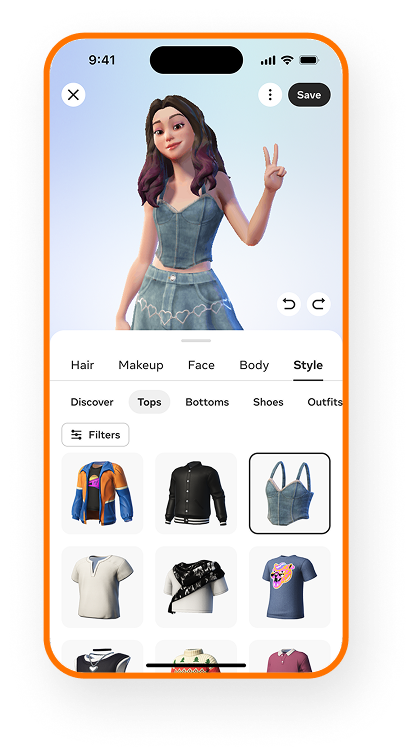
Meta's avatars used across Instagram, Facebook, and Horizon had a reputation problem. People thought they were ugly, and clothing was a big part of the problem. Meta's answer was a new avatar art style, and my team was building the cornerstone of its launch: a text-to-image tool that let anyone design their own avatar shirt.
Clothing was a big part of the problem in avatars being appealing. In the creation funnel, 35% of people dropped off at the step where they chose what to wear, and even people who saved an avatar mostly kept the default outfit.
Drop-off at each stage of avatar creation
7%drop off
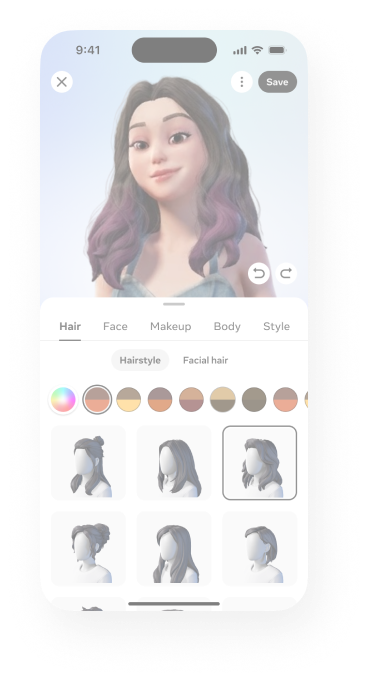
Hair style
10%drop off
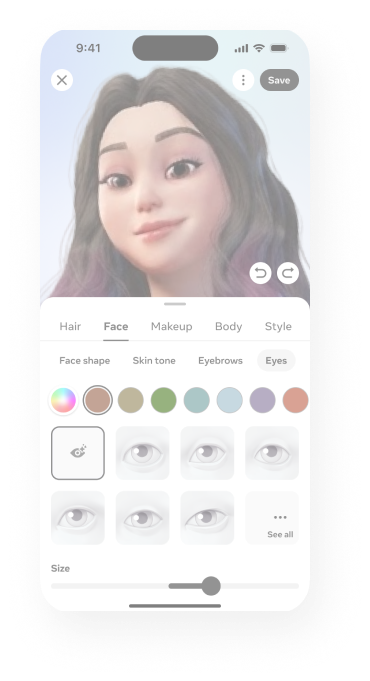
Facial features
11%drop off
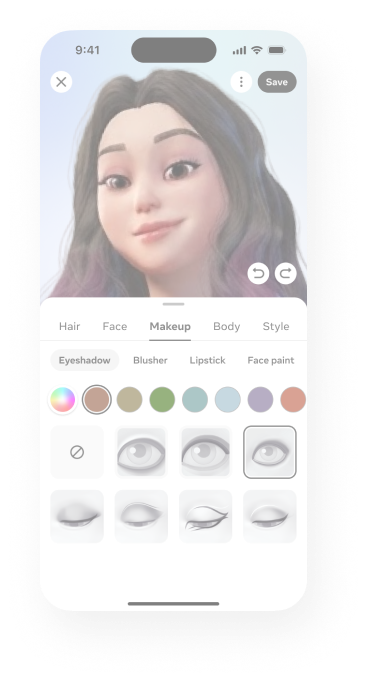
Makeup
8%drop off
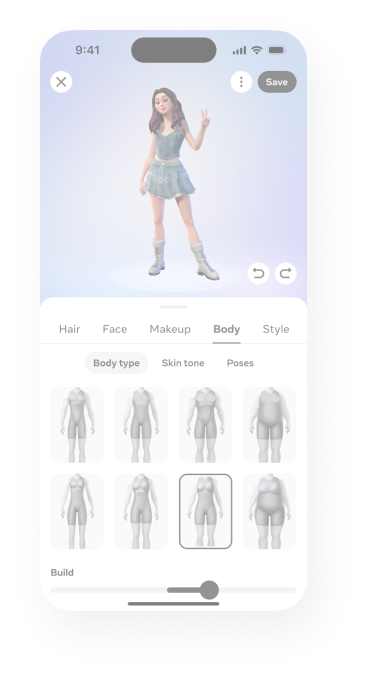
Body type
35%drop off
Clothing
7%drop off
Hair style
10%drop off
Facial features
11%drop off
Makeup
8%drop off
Body type
35%drop off
Clothing
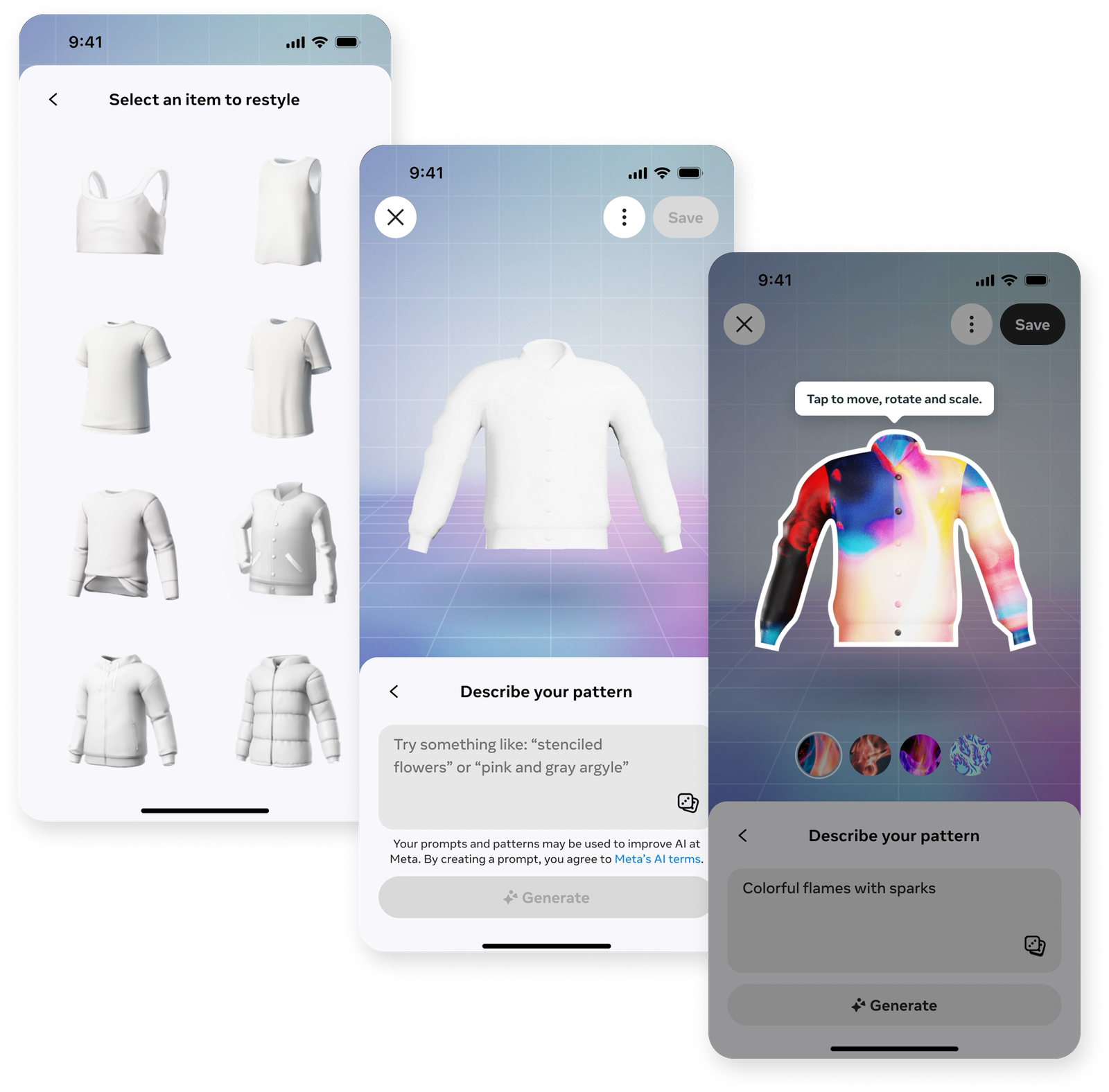
Meta's clothing catalog couldn't keep up with the latest styles and trends. It took our art team 4 months to take a clothing item from concept to launch. So alongside the catalog, we let people design their own clothing with AI, offered as a reward for upgrading to Meta's new avatar style. The goal was to grow people's affinity for their avatars by giving them more ways to customize their clothing.
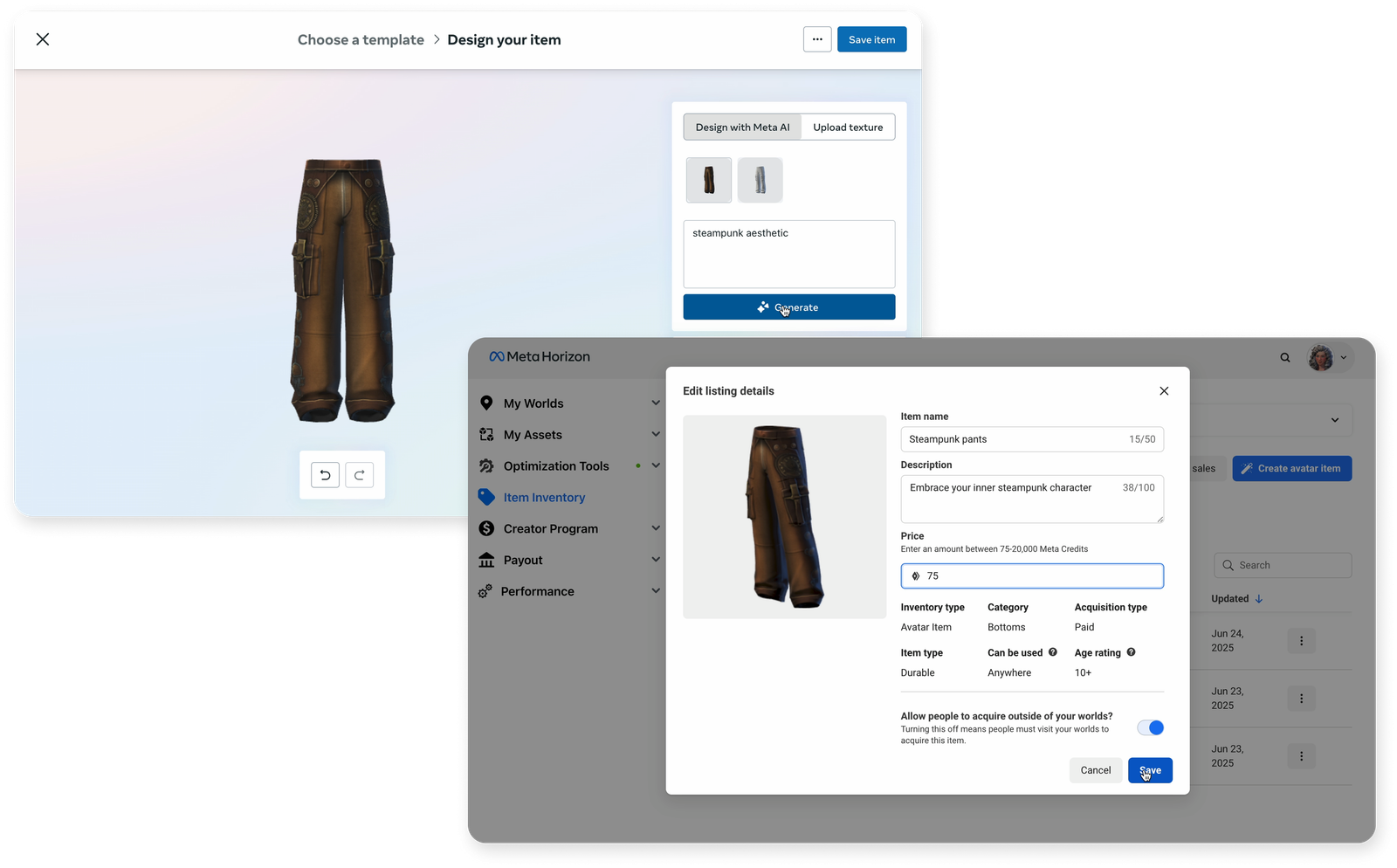
That consumer tool became the start of something bigger. Its power users were mostly Horizon game creators, and they started asking when they could sell what they made. So we built them a desktop tool using Meta 3D TexGen, a more powerful model than the consumer tool, to let creators earn money on Horizon by selling clothing.
Both tools asked people to do something hard—describe a design they wanted well enough for a model to deliver it. Most people struggle with that because they don't know what to say, how to say it, or why the output missed what they pictured.
My job was to bridge the gap between what people naturally say and what the model needs to hear.
Giving people a better place to start
On the consumer tool, research showed people got stuck at the blank prompt field. So we designed a dice-roll prompt randomizer to offer suggestions and show people the types of prompts they could write.
But teens told us they expected an almost endless supply of ideas, and a static list of 20 suggestions wouldn't do. So I built our suggested prompts as a MadLib-style content system instead of a list.
I analyzed prompts people wrote in research and internal testing to understand what they were trying to create and to find which elements could vary without hurting output quality, like objects, animals, shapes, etc.
I then created 24 prompt structures and a database of terms that could create more than 2,000 unique prompts. I ran the structures and terms through evaluations with our computer vision engineers to land on a golden set that reliably produced strong results.
Of the people who made a shirt, 31% started from a suggestion. Research also found a second benefit. The suggestions taught people how to write good prompts on their own, without any onboarding content.
Rewriting creators' prompts into what the model needed
The creator tool ran on Meta 3D TexGen, a shape-aware model that understood a garment's construction and could create designs for a wider range of items than the consumer tool, including shirts, pants, dresses, shoes, and hats. But it needed richer, more structured prompts than creators were used to writing.
So I designed a prompt enhancement feature, powered by a Llama-based system prompt, that rewrote a short input like "steampunk aesthetic" into a model-ready description. Creators could see the enhanced prompt beside their own, keep iterating on it, or turn the feature off.
For the enhanced prompts to work, I instructed the system prompt to do 4 things:
- Describe a generic or a specific garment, depending on whether the creator named one.
- Describe the garment itself, not a person wearing it, even for prompts like "zombie aesthetic," "fairy pixie dress," or "park ranger uniform."
- Stay within the token limits Meta 3D TexGen could interpret cleanly.
- Keep the descriptive intent of the creator's own words.
Base prompt
"steampunk aesthetic"
Enhanced prompt
a garment with a steampunk aesthetic crafted from a combination of distressed, brown leather and brass-buttoned, earth-toned wool tweed. the surface features intricate, gear-inspired embroidery in shades of copper and bronze, with visible stitching and riveted details that evoke a sense of industrial-era craftsmanship. the design includes ornate, victorian-style brocade patterns with subtle, clockwork mechanisms woven throughout, adding to the garment’s nostalgic, science-fiction feel. the overall texture is rugged and worn, with a mix of smooth, polished leather and rough, woven tweed that suggests a well-traveled, adventurous history.
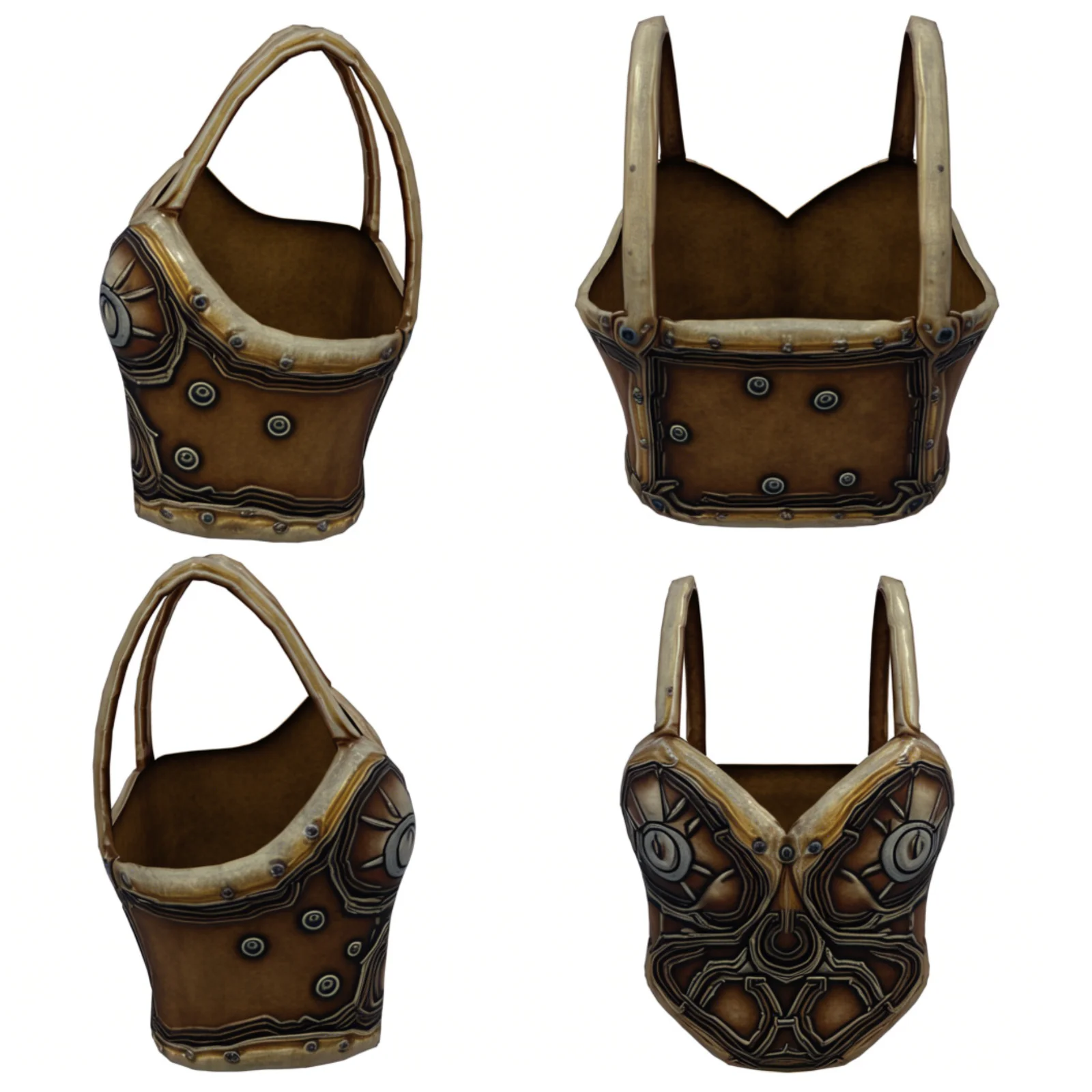
Output from base prompt
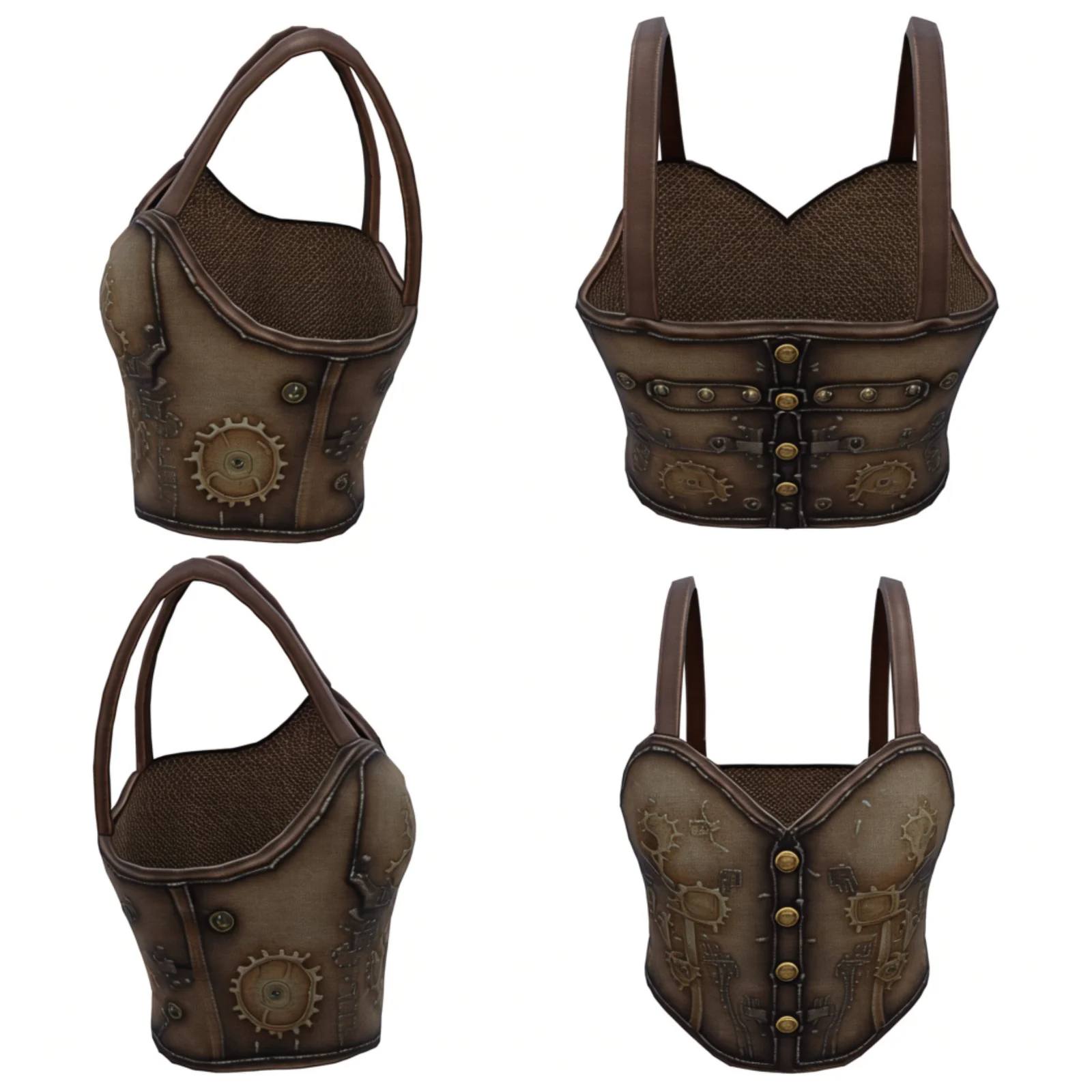
Output from enhanced prompt
The enhancement tool was so powerful that in research, consumers couldn't tell generated textures made from enhanced prompts apart from textures our 3D artists made by hand.
Can you tell which column was made by AI?
Column A
Column B
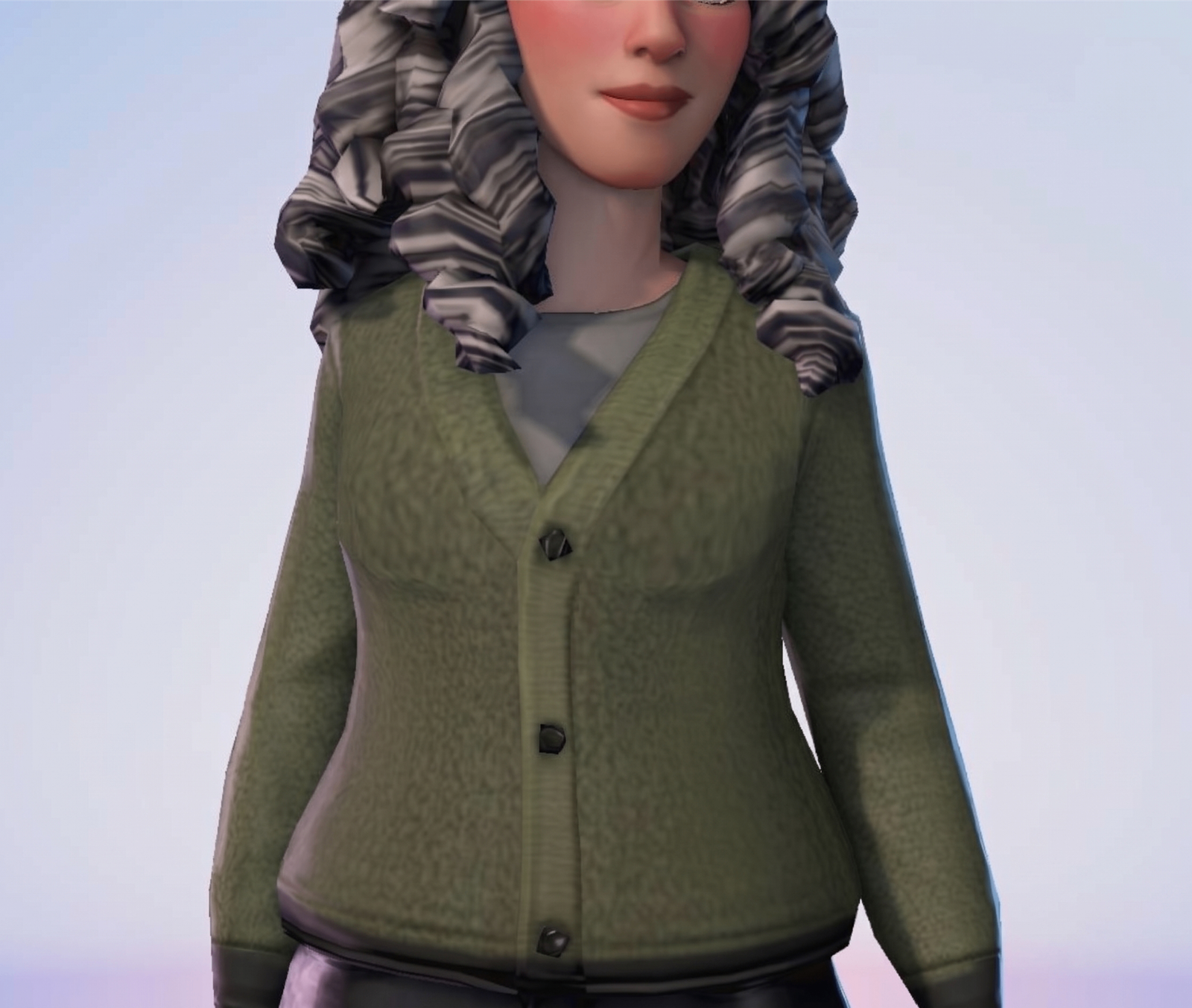
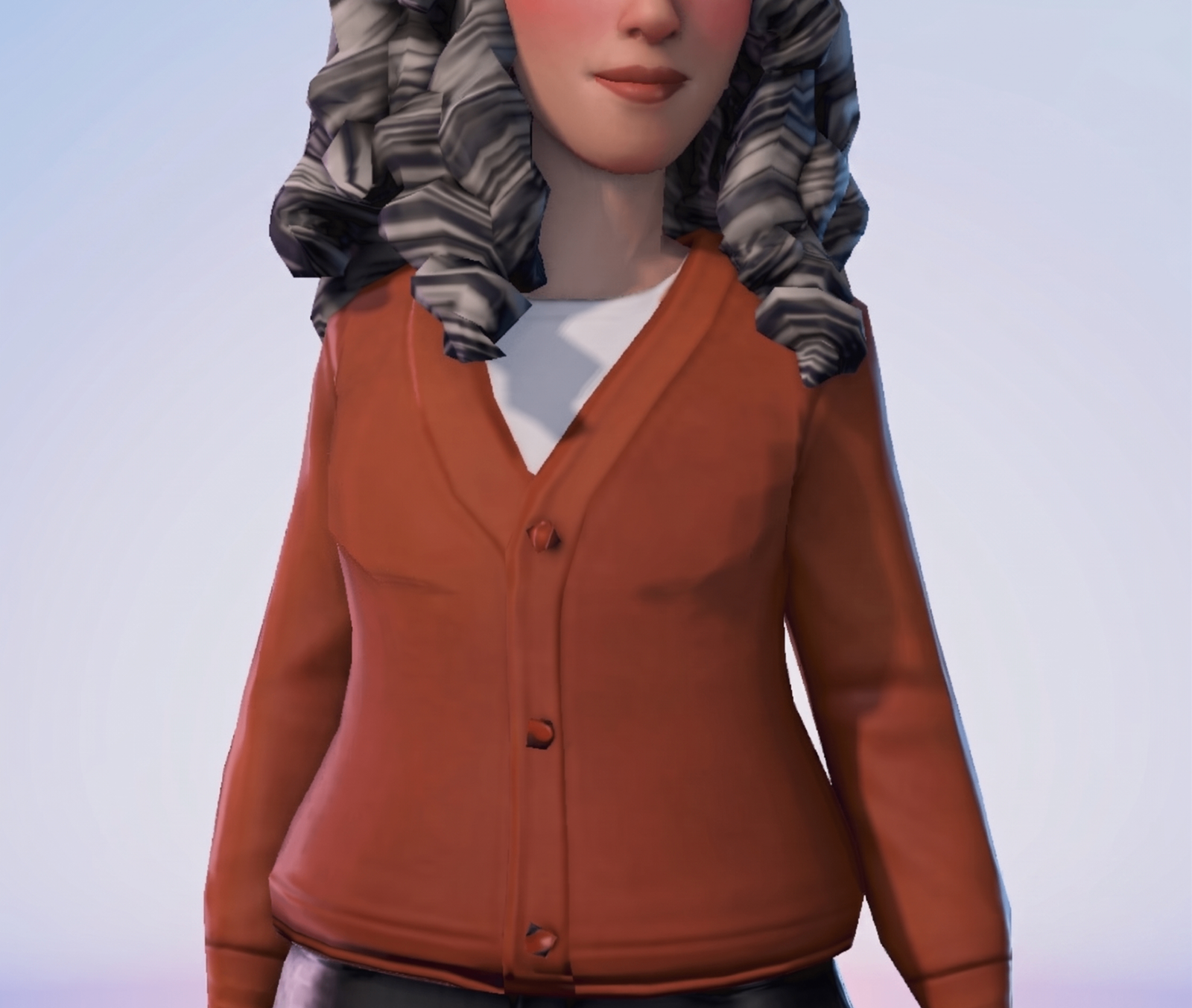
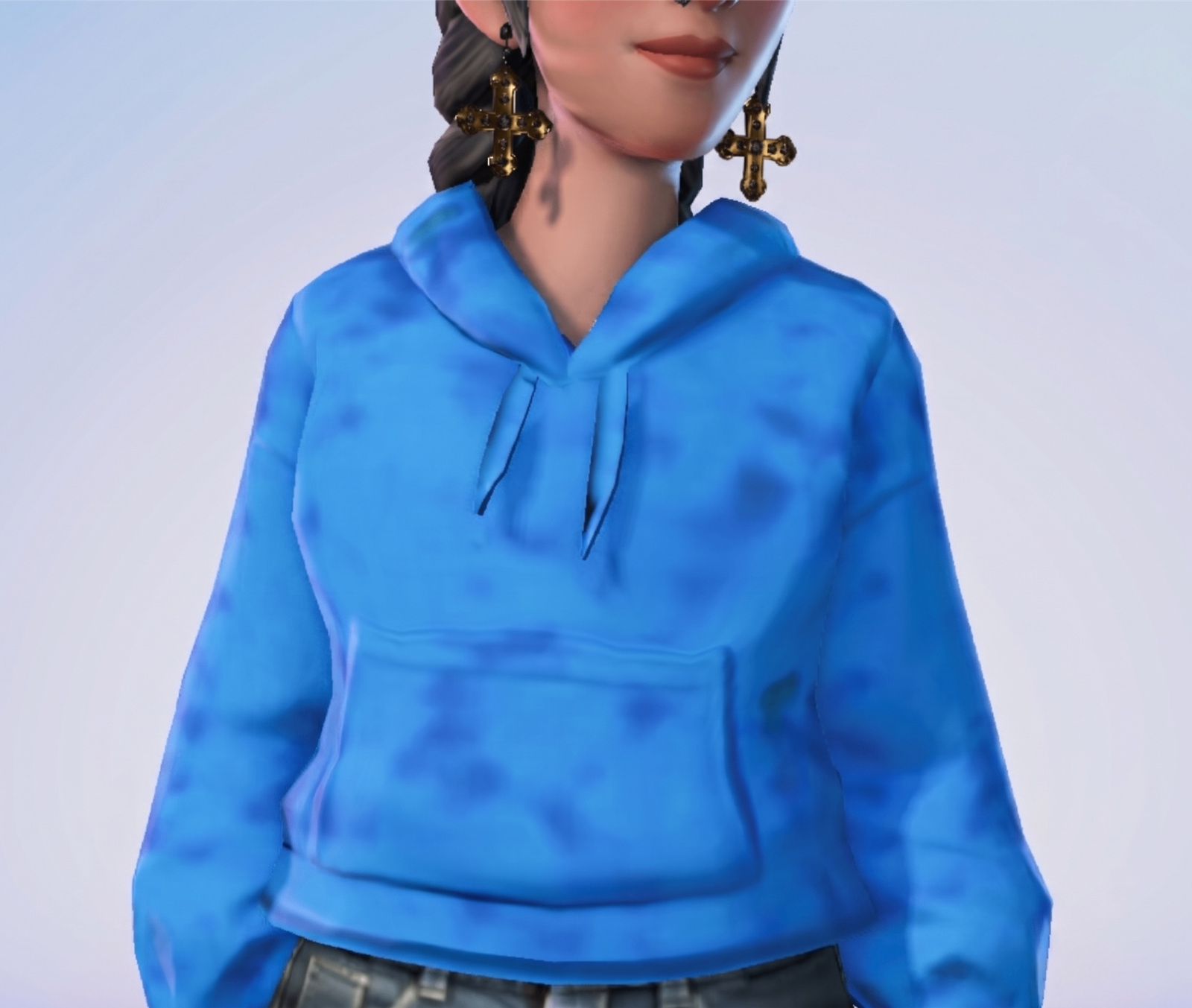
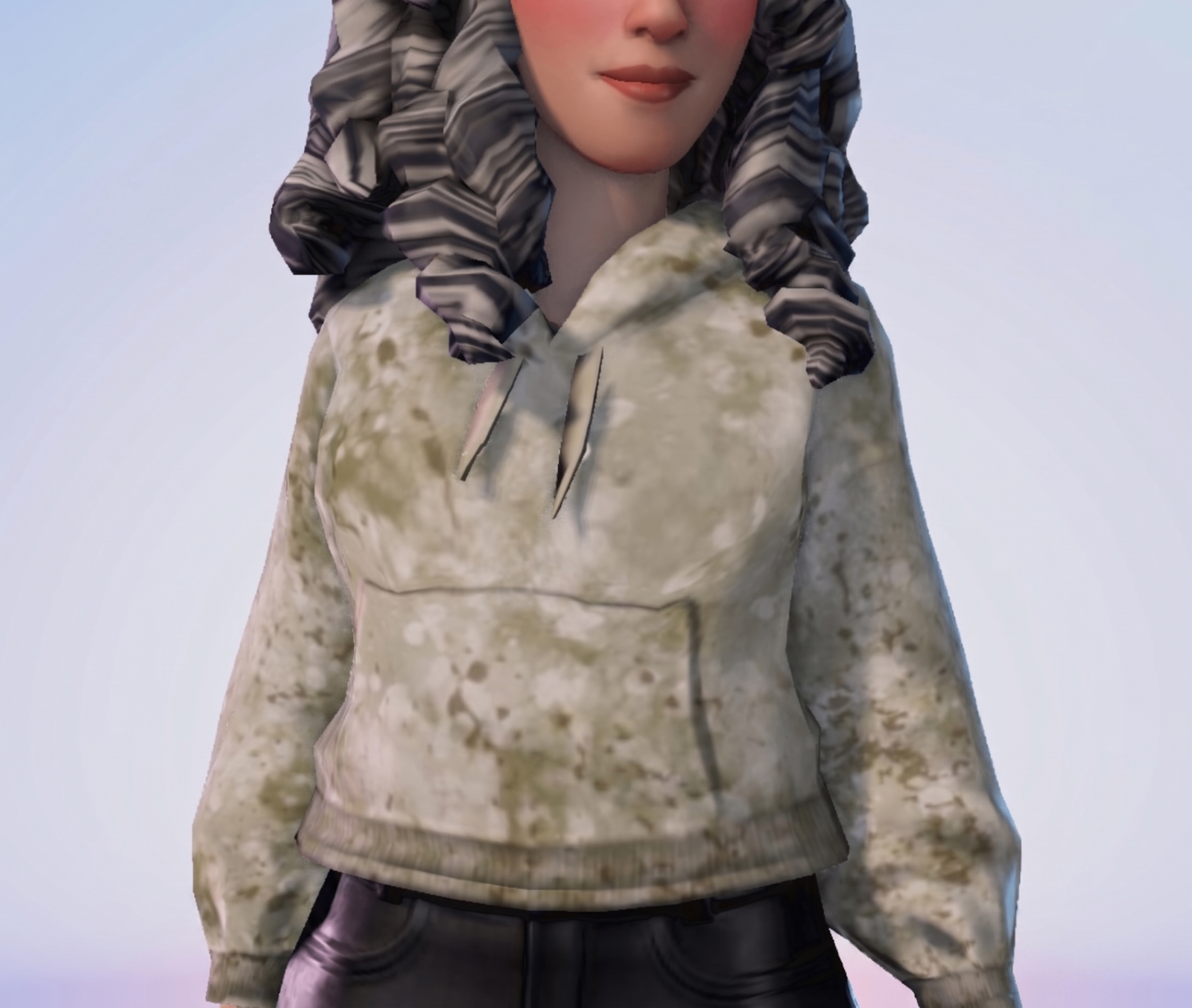
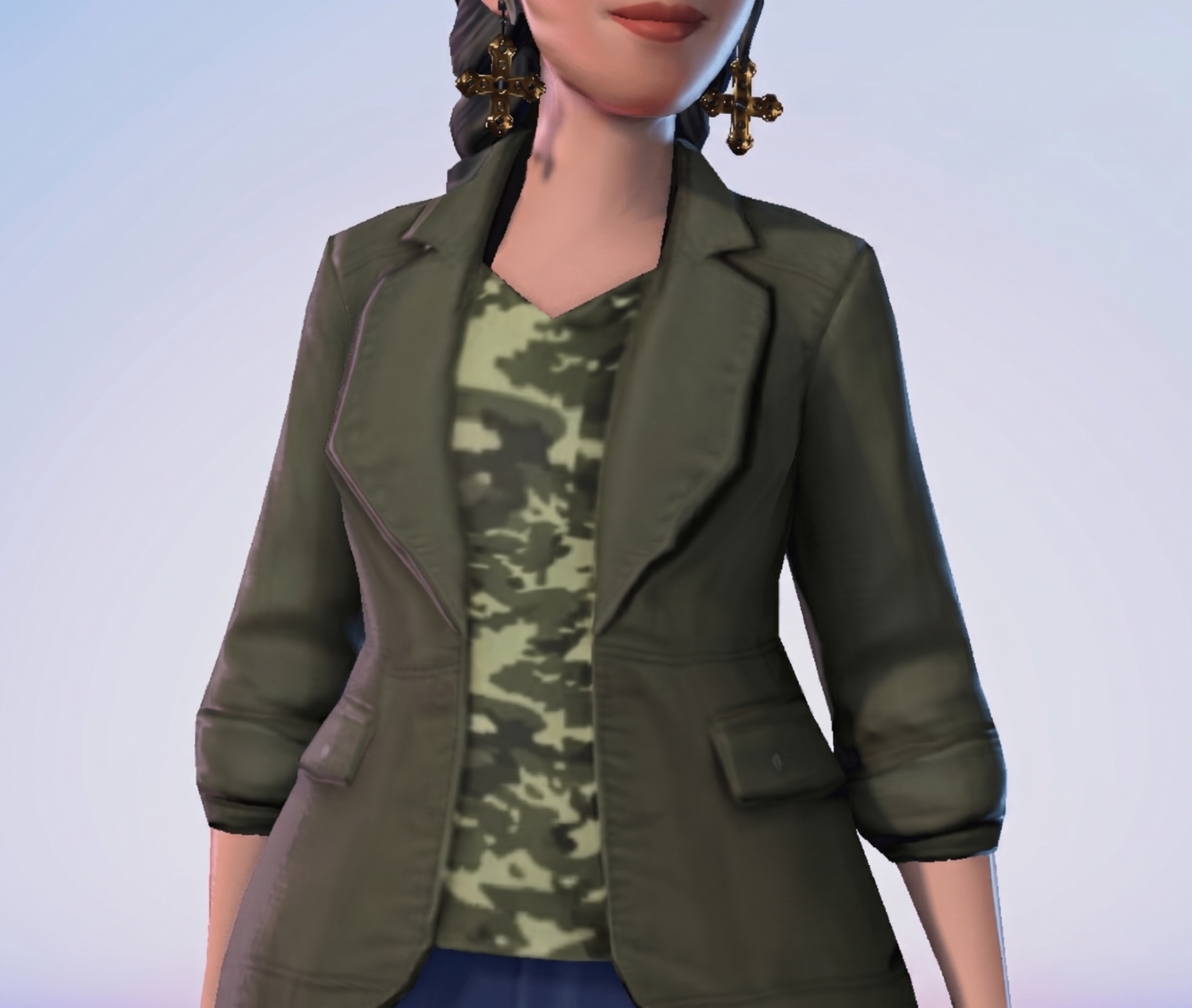
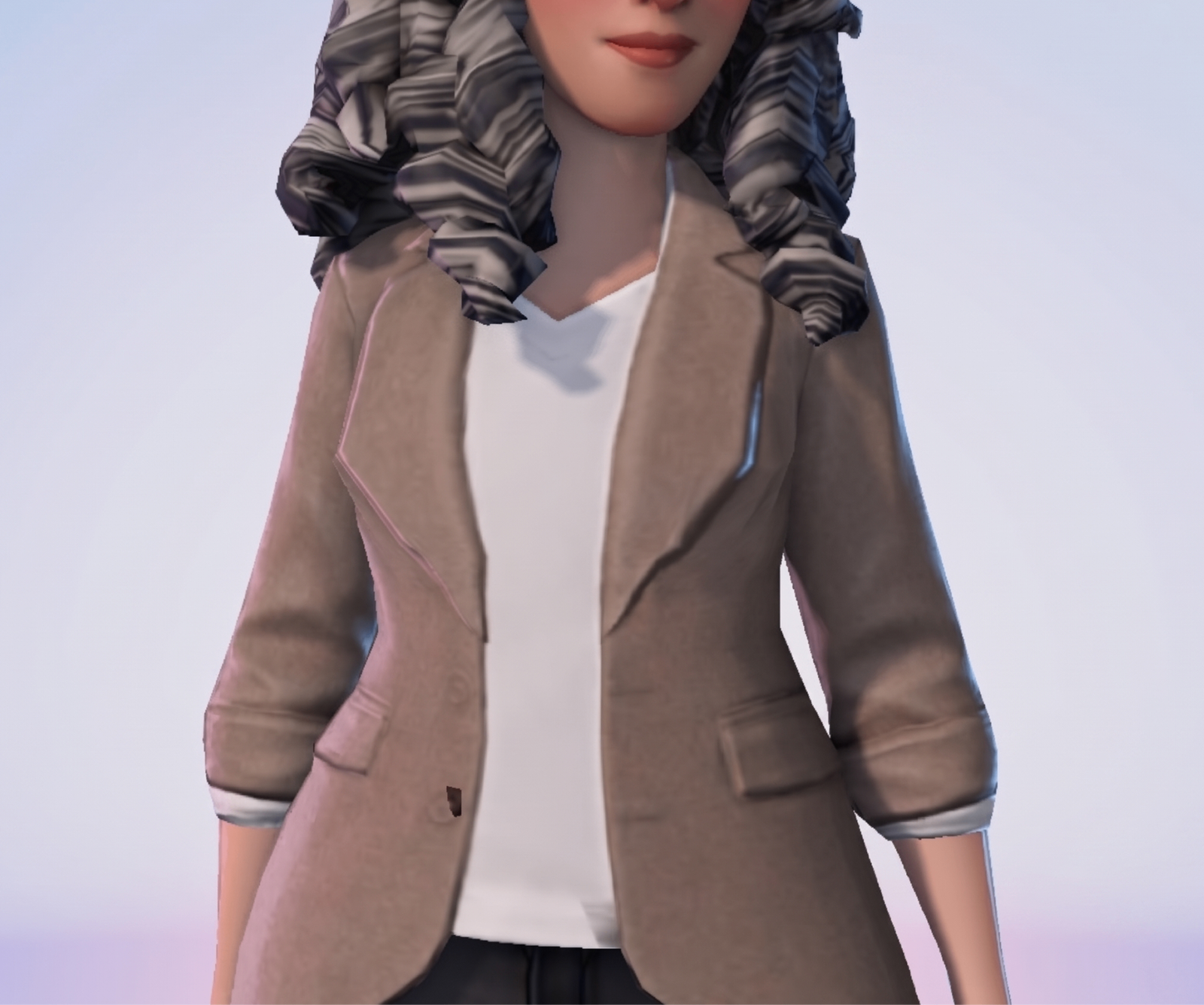
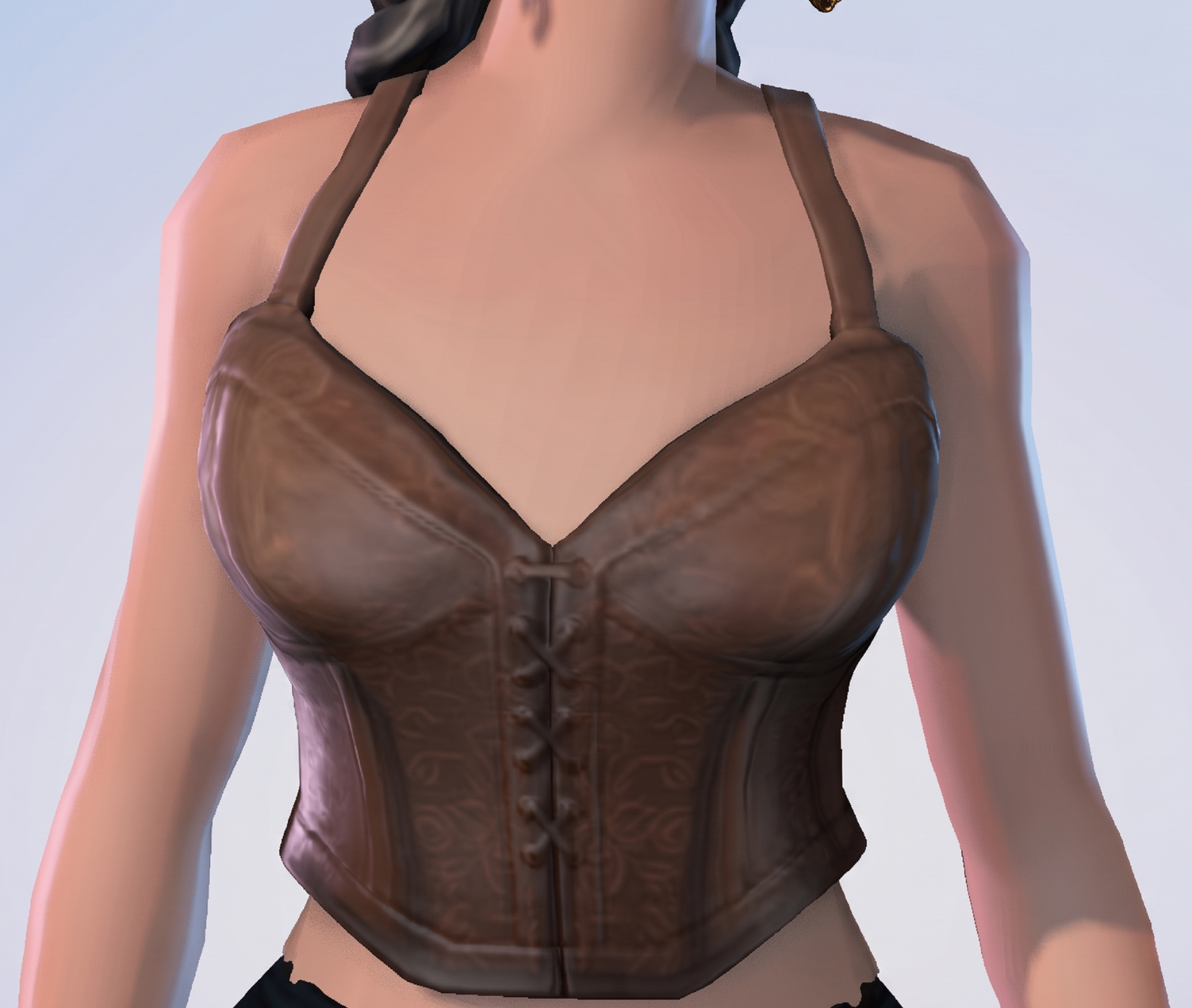
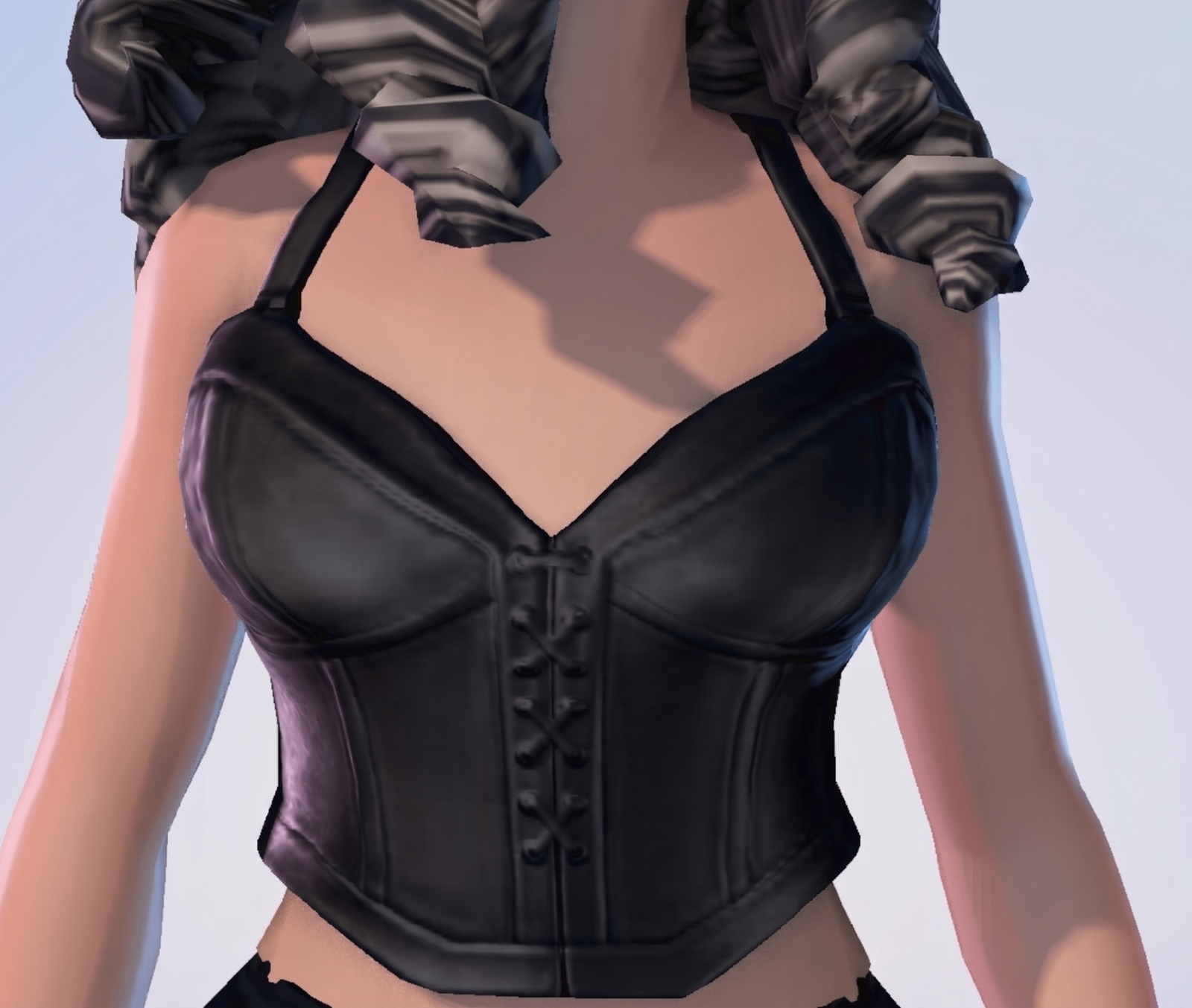
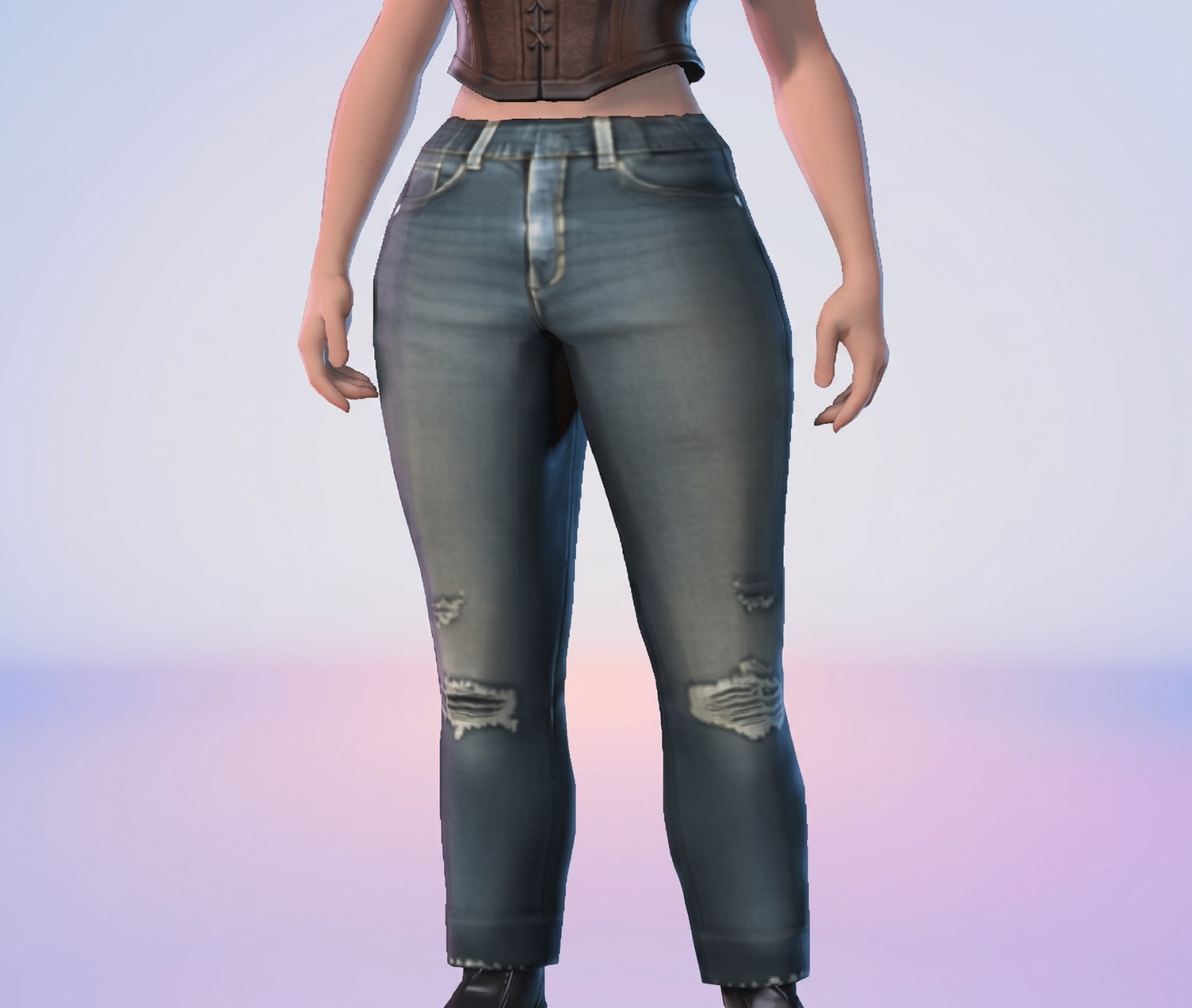
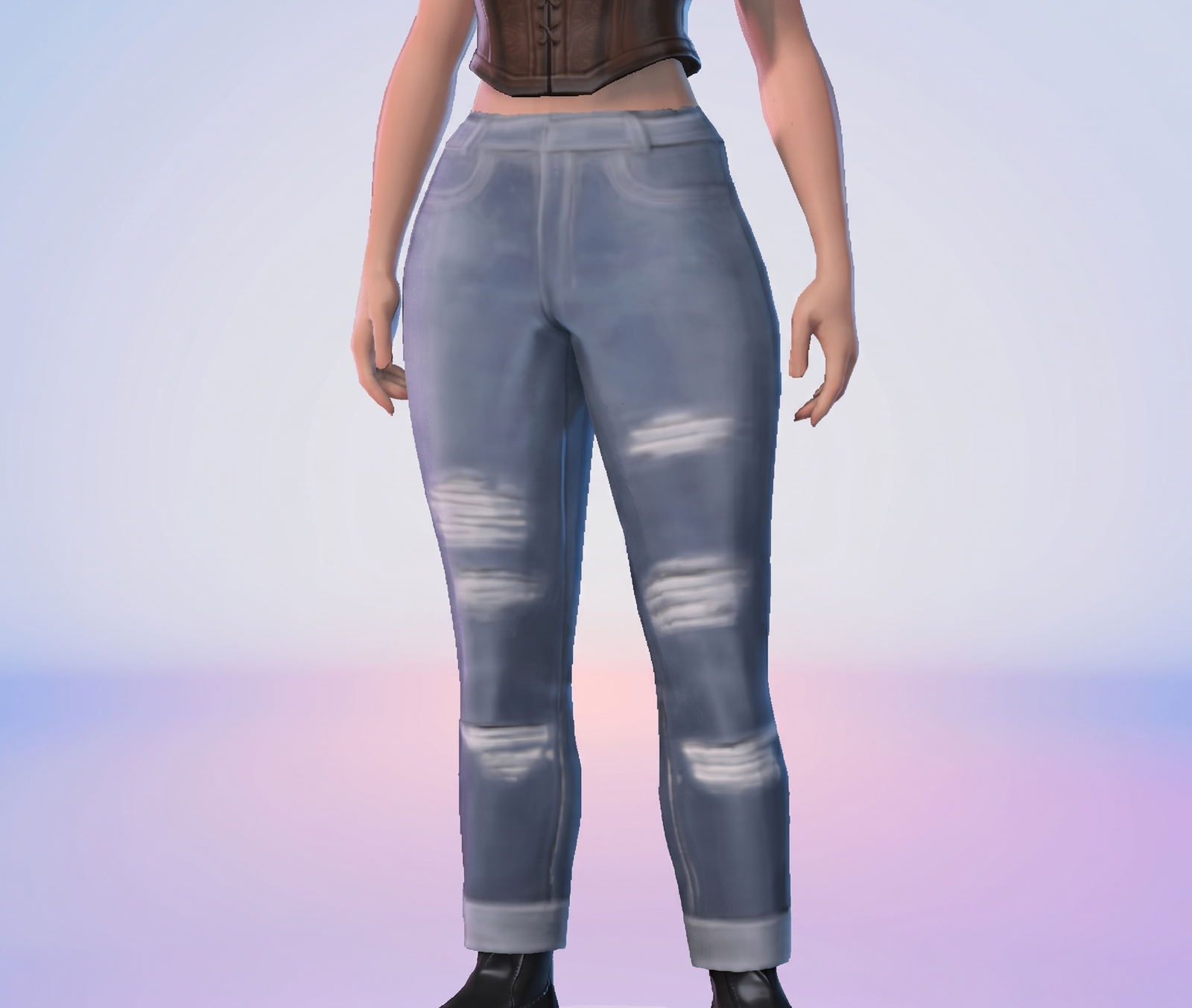
Column A was made by AI using our enhanced prompt, and column B was made by a 3D artist.
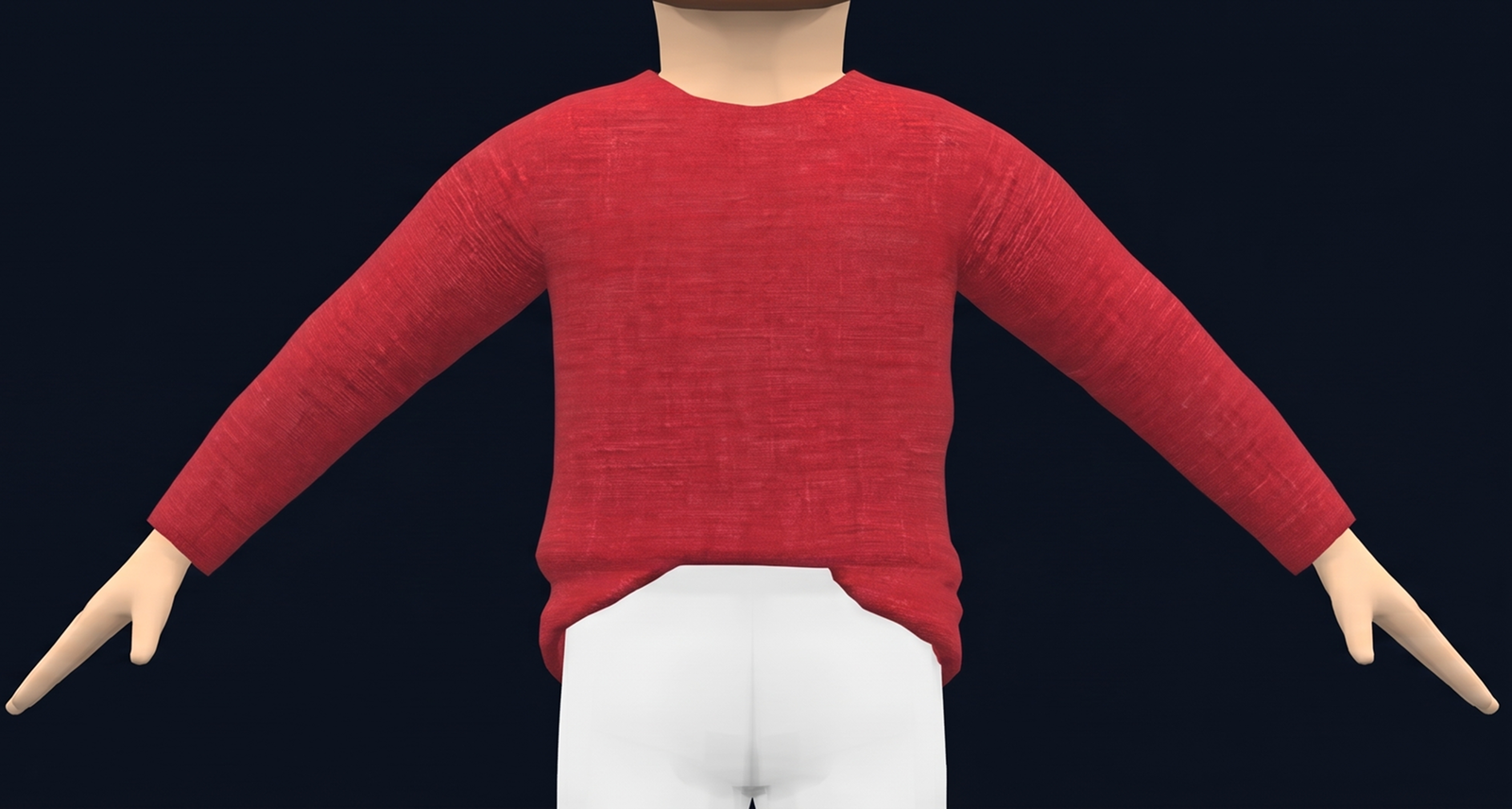
On the consumer tool, people naturally typed words like "shirt" into their prompts, and the model took them literally. "Red shirt" produced a pattern of tiny red shirts instead of a red shirt. The usual fix is to teach people the rule with hints or error messages, but that puts the burden of learning how the model works on someone who just wants a red shirt.
So I made the call to fix it behind the scenes, with a controlled vocabulary that swapped the words people typed for the words the model read correctly. The risk was changing what someone meant, so we tested every swap before it shipped.
With a computer vision engineer, I tried replacements for "shirt" like pattern, design, and canvas—and "background" carried the clearest intent without creating new problems.
A taxonomist and I then scaled the approach to other words people used, such as swapping sweater for wool, jeans for denim, and flannel for cotton. People got what they meant without ever learning how the model reads.
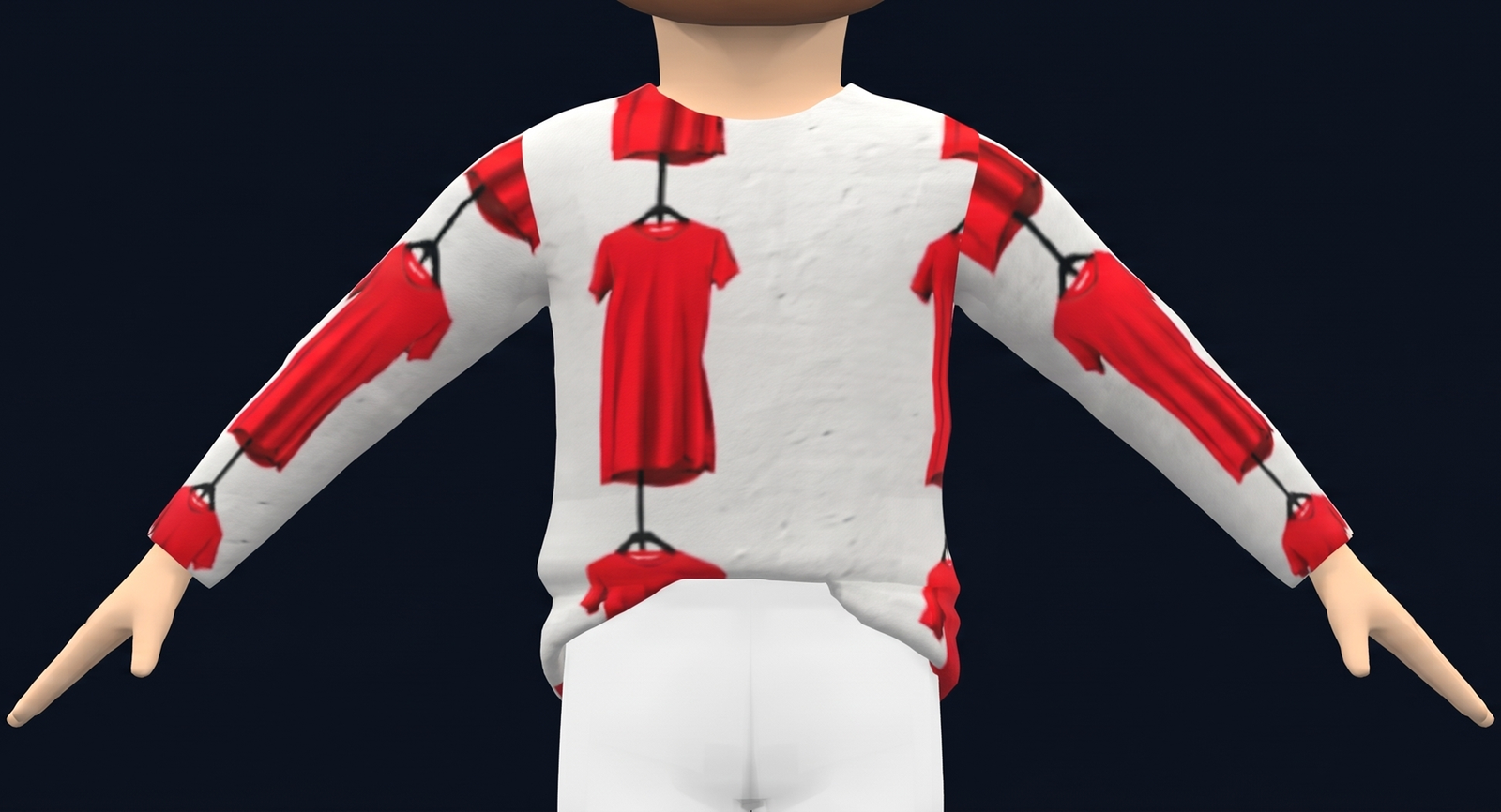 Before
 After
The prompt "red shirt" after changing it to "red background" behind the scenes
The consumer tool became the highest-converting funnel for new avatar users. In the first 4 months, nearly half a million people designed clothing, saving 926K items, and 52% wore something they made. Behind that launch was the AI quality framework I built for Meta Horizon.
For creators, it opened a new way to earn on Horizon, generating $554K in the first month after the feature launched. This was the first time Horizon creators made real money from their own work on the platform. The creator tool doubled Horizon's monetization efficiency and beat end-of-year revenue goals by 144%.
Across both tools, most people's hardest problem with generative AI was knowing what to say to the model. The consumer tool handled that behind the scenes to keep it simple and lightweight, while the creator tool showed it so users could learn and stay in control.
Deciding when to hide what the model needs and when to show it was the product design work underneath both tools. I tackled the same problem from the other direction when I encoded a brand voice for Meta's avatar clothing catalog, teaching a model how to speak to people.